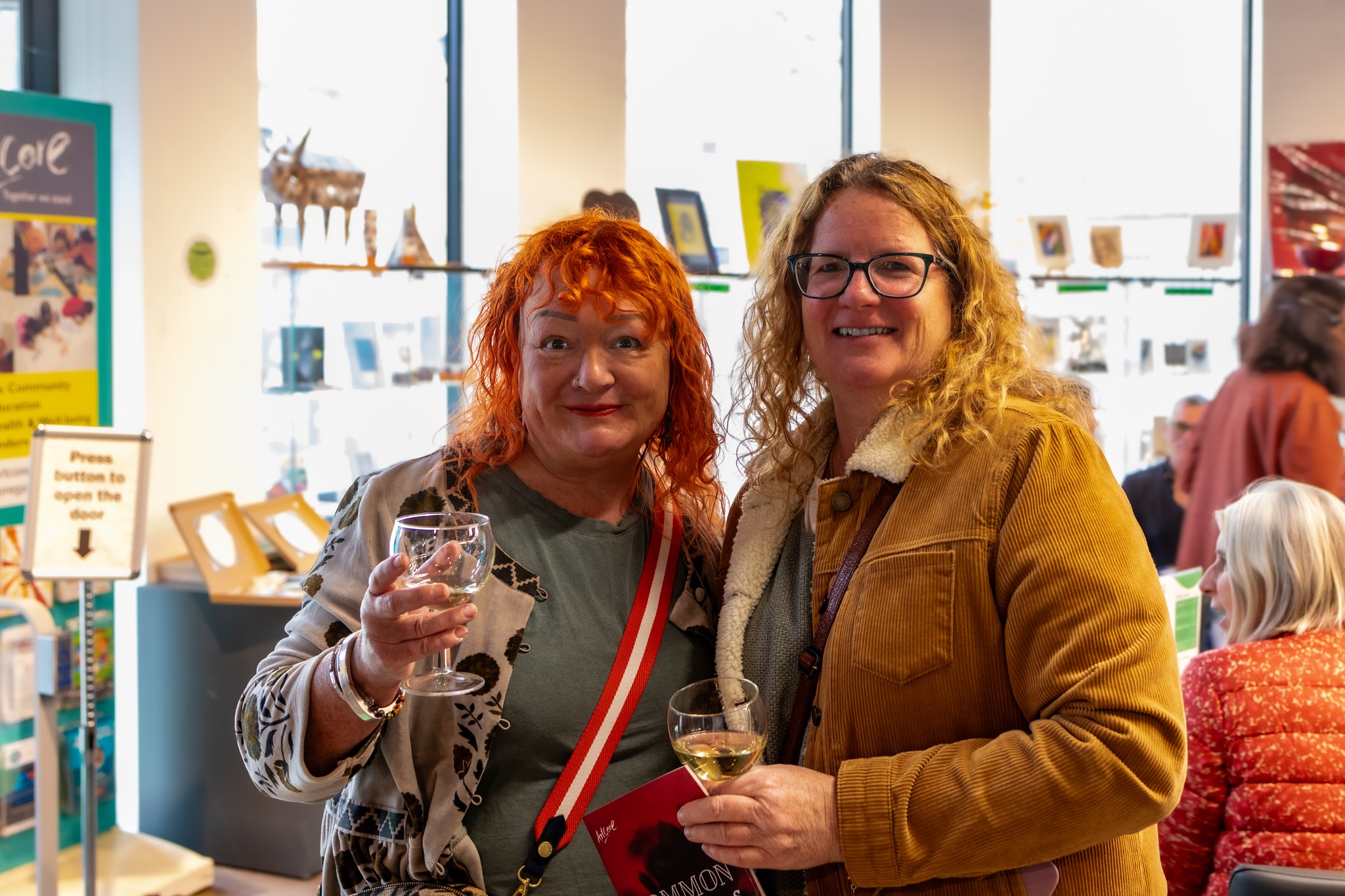
Common Grounds brought together eight studio artists at Artcore Gallery to explore shared spaces of dialogue, culture, and creative exchange. This exhibition reflected the diverse artistic voices working in close proximity, highlighting individual practices while fostering connections through material, process, and concept. From painting and sculpture to multimedia and installation, the works engaged with themes of identity, place, and collective experience, reflected in diverse ways: through materials that carried memory, representations of lived environments, and processes that foregrounded collaboration and shared authorship.
The richness of this exhibition lay in how diverse practices could intersect and coexist. Each artist brought unique methods and narratives, yet a common thread ran through them all: a profound engagement with environment, memory, and transformation. It was within the daily rhythm of shared studio moments, exchange, observation, and quiet influence, that this convergence began to take shape.
Chike Felix Uzoka transformed waste materials into sculptural forms, reflecting a deep commitment to environmental sustainability. He developed a technique to make papier mâché resemble metal and bronze. Tim Baker created vibroacoustic environments where sound was experienced through both touch and hearing. His work explored inclusive listening with d/Deaf and aurally diverse communities.
Florence Mulvey captured her sensory experiences of landscapes, plants, and birds through sketching and painting. Her work was rooted in animism and the belief in the spirited energy of the natural world. Christine Thomas explored domesticity, neurodivergence, and women’s experiences through a feminist perspective. Her PhD research delved into the hidden dimensions of rural domestic abuse.
Fi Marks reclaimed the misrepresented lives of historical and literary women through layered portraits. Drawing from archival textiles and forgotten stories, her work restored the visibility of women. Vivian Taylor blended pop culture, music, and urban imagery in intuitive, mixed-media works. Her collages and paintings expressed a wide range of emotional states and urban energy.
Chris Lewis-Jones explored Derbyshire’s landscape through ritual, walking, and performance. His work blended ecology, history, and personal experience into layered artistic responses. Neil Rowley used photography and laser technology to create tactile visual artefacts. His process combined technical precision with personal aesthetic vision.
What united these artists was not a shared style or theme, but a mutual openness to influence, dialogue, and proximity. Studio walls became permeable; ideas shifted shape as they passed from one mind to another. The creative process here was relational and responsive, shaped as much by solitude as by community.